

Book Fairs: Something From The Past!—Enduring Anchors in a Digital World
In the digital age, where literature is consumed in seconds via e-readers and audiobooks, the concept of a “book fair” might seem antiquated—a nostalgic relic from a simpler time when physical books were the only gateway to other worlds. Book fairs, with their bustling halls, the smell of fresh ink and paper, and the tangible weight of physical volumes, evoke memories of browsing stalls, discovering obscure titles, and the thrill of meeting an author in person. However, to label book fairs merely as “something from the past” is to overlook their remarkable ability to evolve, proving that they are not just surviving, but thriving by bridging the gap between historical tradition and modern innovation.
The Historical Significance of Book Fairs
Book fairs have been integral to the publishing industry for centuries, acting as essential hubs for the exchange of ideas, rights trading, and intellectual commerce. The origins of these grand events are often attributed to Germany, specifically Frankfurt and Leipzig, which have held fairs since the 15th century following Johannes Gutenberg’s invention of movable type. Initially, these events were crucial trading centers for literature merchants, elite scholars, and publishers.
Historically, these gatherings provided a rare opportunity for local publishers to interact with international publishers, creating a global marketplace that spread literature, education, and culture across borders. Over time, these fairs grew from simple marketplaces into grand spectacles, attracting not only dealers but also readers, and forming a central place in the cultural life of a nation.
The Allure of the Tangible: Why They Endure
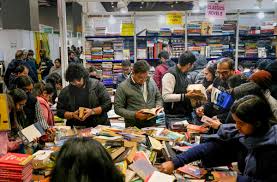
In an era of instant digital downloads, the physical book fair offers a multi-sensory experience that screens cannot replicate. The “smell of fresh paper,” the “sight of colorful book covers,” and the “weight of books” in hand are uniquely captivating, transforming the act of browsing into a personal journey of discovery. This sensory experience creates a deep emotional connection to literature that digital platforms often lack.
Furthermore, book fairs act as community hubs, drawing people of all ages—from school children exploring storybooks to adults browsing rare editions—together, fostering a sense of shared community and intellectual engagement. The physical presence of authors, who often attend for book signings, storytelling sessions, and seminars, adds a personal dimension that makes literature feel accessible, rather than abstract.
The Evolution of Book Fairs: A Hybrid Future
Despite the rise of e-books, major book fairs like the Frankfurt Book Fair or the London Book Fair have not disappeared; instead, they have evolved to suit the digital era. They have transformed into “hybrid” events, blending physical attendance with digital innovation.
- Rights Trading & Networking: Book fairs remain the primary venue for rights deals, where publishers from all over the world gather to negotiate, purchase, and sell the publishing rights to manuscripts.
- Digital Integration: Many fairs now feature interactive 3D galleries, “virtual stands,” and online seminars, allowing publishers and readers to engage in the event from anywhere in the world.
- Technological Showcases: Modern book fairs often spotlight new technologies, such as enhanced audiobooks, e-readers, and AI-driven content tools, proving that the industry is constantly looking forward.
While the COVID-19 pandemic necessitated a shift toward digital formats, the consensus among industry experts is that physical, in-person meetings remain irreplaceable.
Book Fairs as Cultural and Educational Tools
Book fairs are no longer just commercial events for buying books at discounted prices; they are crucial platforms for education and cultural diplomacy. They provide an opportunity for independent and small publishers to gain visibility, ensuring a diversity of voices that might be overlooked in the algorithmic, bestseller-driven digital marketplace.
Many fairs, such as the Sharjah International Book Fair or the Ekushey Boimela, play a vital role in regional culture, encouraging a habit of reading among the general public and particularly in youth. They offer a “paradise for book lovers,” where rare books are found, and intellectual curiosity is stimulated through panel discussions, seminars, and poetry readings.
Conclusion: More Than Just Memories
Book fairs may appear to be “something from the past,” but they are actually enduring anchors in our rapidly changing cultural landscape. They bridge the gap between the tactile, slow-paced joy of reading a physical book and the fast-paced, interconnected digital world. While the internet has transformed how we discover and purchase books, the book fair has re-invented itself as a necessary, high-value, and vibrant event that celebrates the enduring, magical power of the written word.