
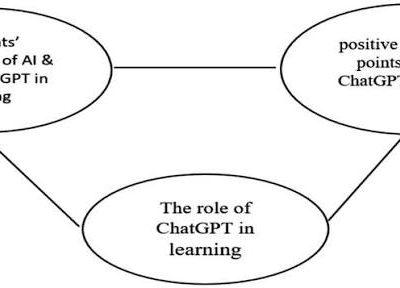
Introduction The integration of Artificial Intelligence (AI) into the educational landscape has sparked a profound paradigm shift, particularly within English as a Second Language (ESL)
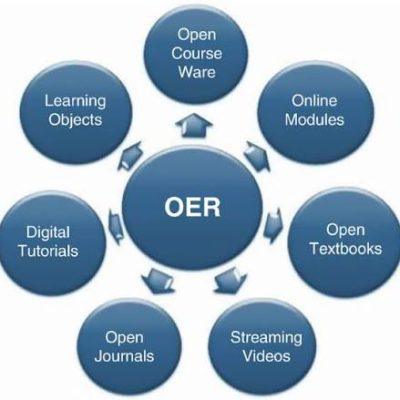
Introduction The shift toward distance education has fundamentally challenged the traditional, textbook-reliant language classroom. For decades, commercial textbooks served as the definitive roadmap for syntax,

Introduction The “Screen Age” has ushered in an era where language evolves at the speed of a swipe. Today, platforms like TikTok and Instagram serve

The landscape of modern literacy has undergone a profound transformation. Traditional writing, once a solitary act confined to physical journals or private word processors, has

The digital age has fundamentally altered how humanity communicates, connects, and shares information. At the center of this transformation lies social media, evolving from simple

Online learning is no longer a temporary alternative to the physical classroom. It is a permanent shift in global education. However, technology does not exist

The rise of digital learning has changed how people study across the world. In the past, education happened inside a physical classroom. Today, computers and
The modern classroom is no longer defined solely by chalkboards and heavy lexicons. As digital native generations occupy desks, educators have increasingly turned to multimedia

Globalization is often described as the shrinking of the world through increased interaction, integration, and interdependence. As the undisputed lingua franca of this era, English

The digital revolution has fundamentally altered how we acquire new skills, and language learning is at the forefront of this shift. From Duolingo’s gamified streaks